

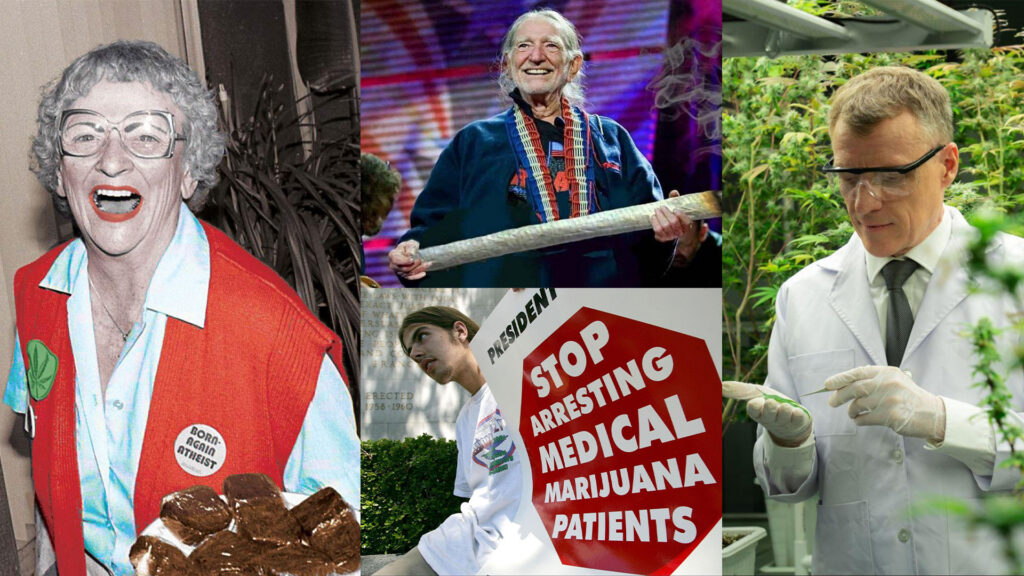
420 started as an inside joke. Now, it’s a marker of something much bigger: How a once-underground movement became a legitimate, fast-growing industry. That shift didn’t happen overnight. It happened over decades, through protest, research, culture shifts, and people willing to take real risks.
Cannabis didn’t originate in American counterculture. It’s been used for thousands of years across Central and South Asia, the Middle East, and Africa, for medicinal, spiritual, and ritual purposes. By the early 20th century, it had made its way into the U.S., where it became associated with jazz communities and, later, beatnik and countercultural movements.
Before there were dispensaries, licensing frameworks, or cannabis careers, there were individuals pushing against the status quo, often at personal cost, to change how the world understood this plant.
At Cannavision Institute at Stautzenberger College, we are proud to honor this history and build on its foundation, today and every day.
1960’s – 1970’s: Science Changes the Conversation
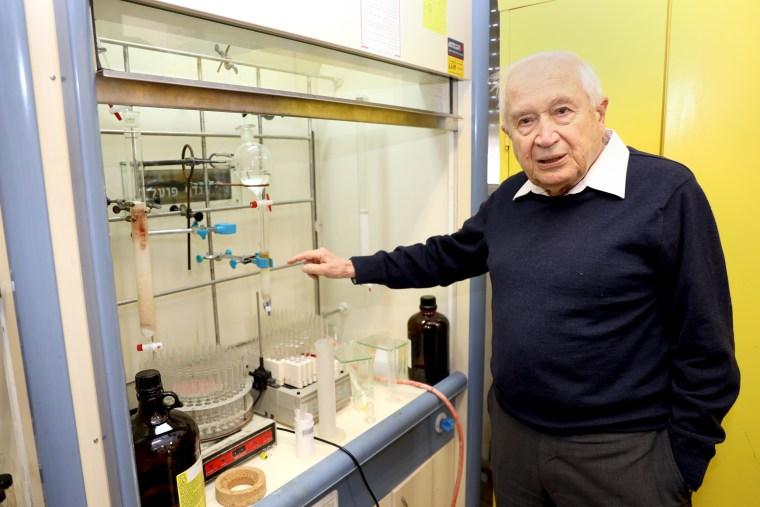
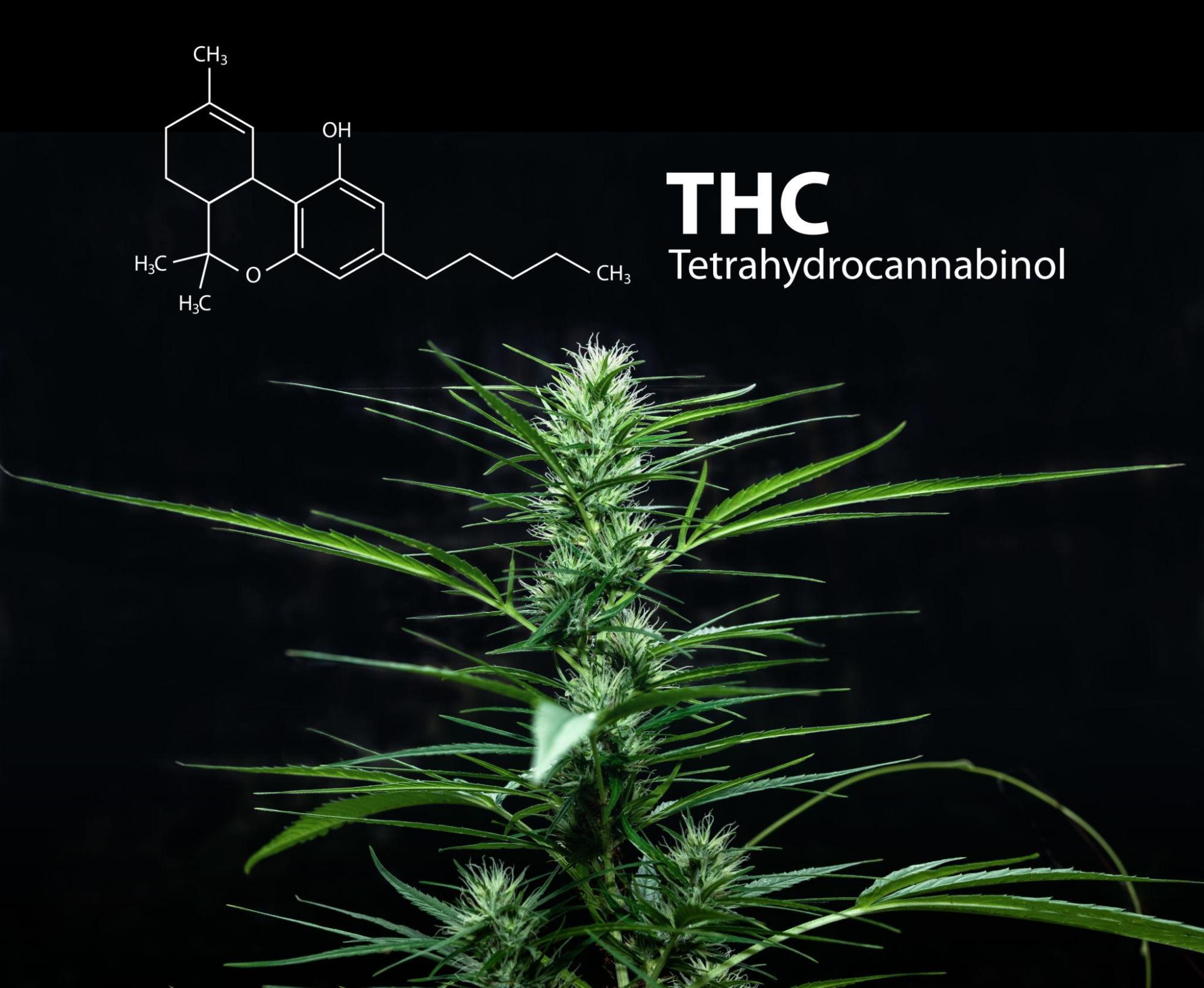
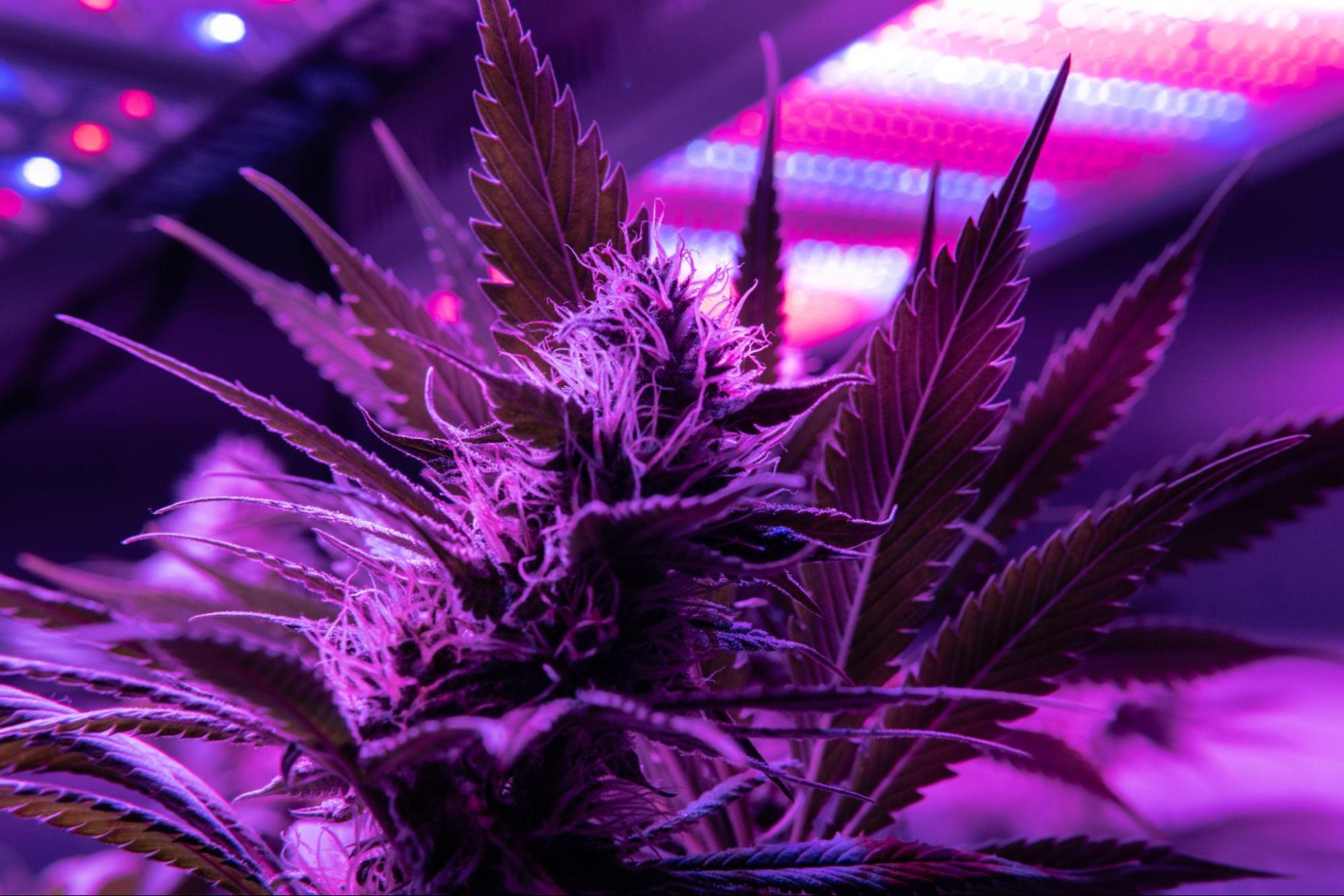
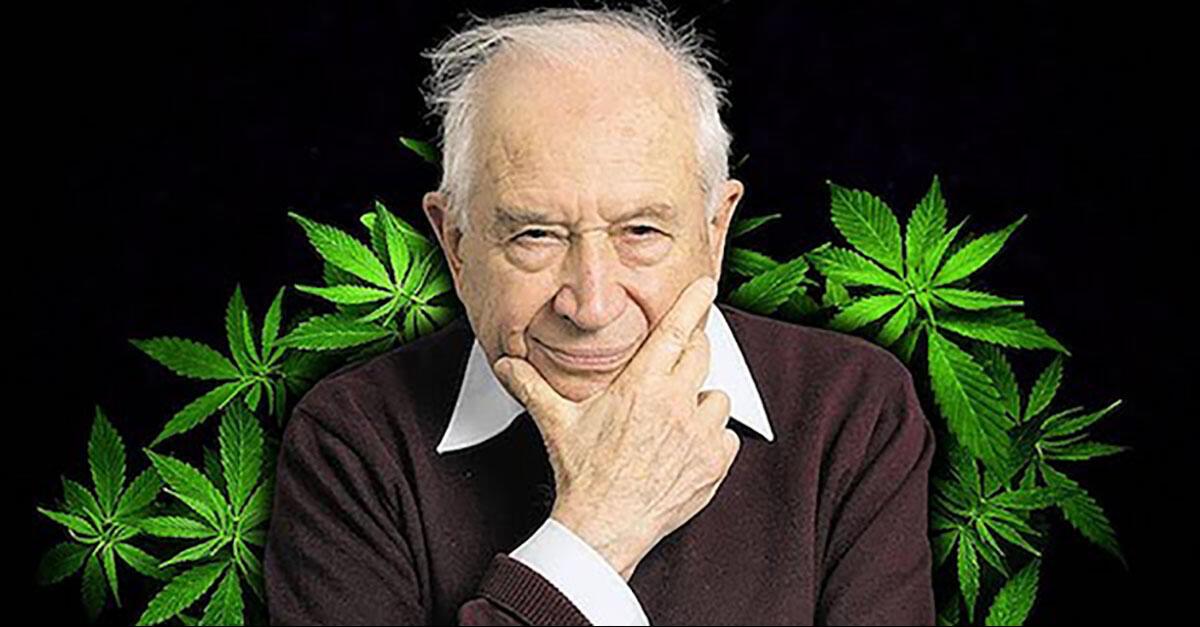
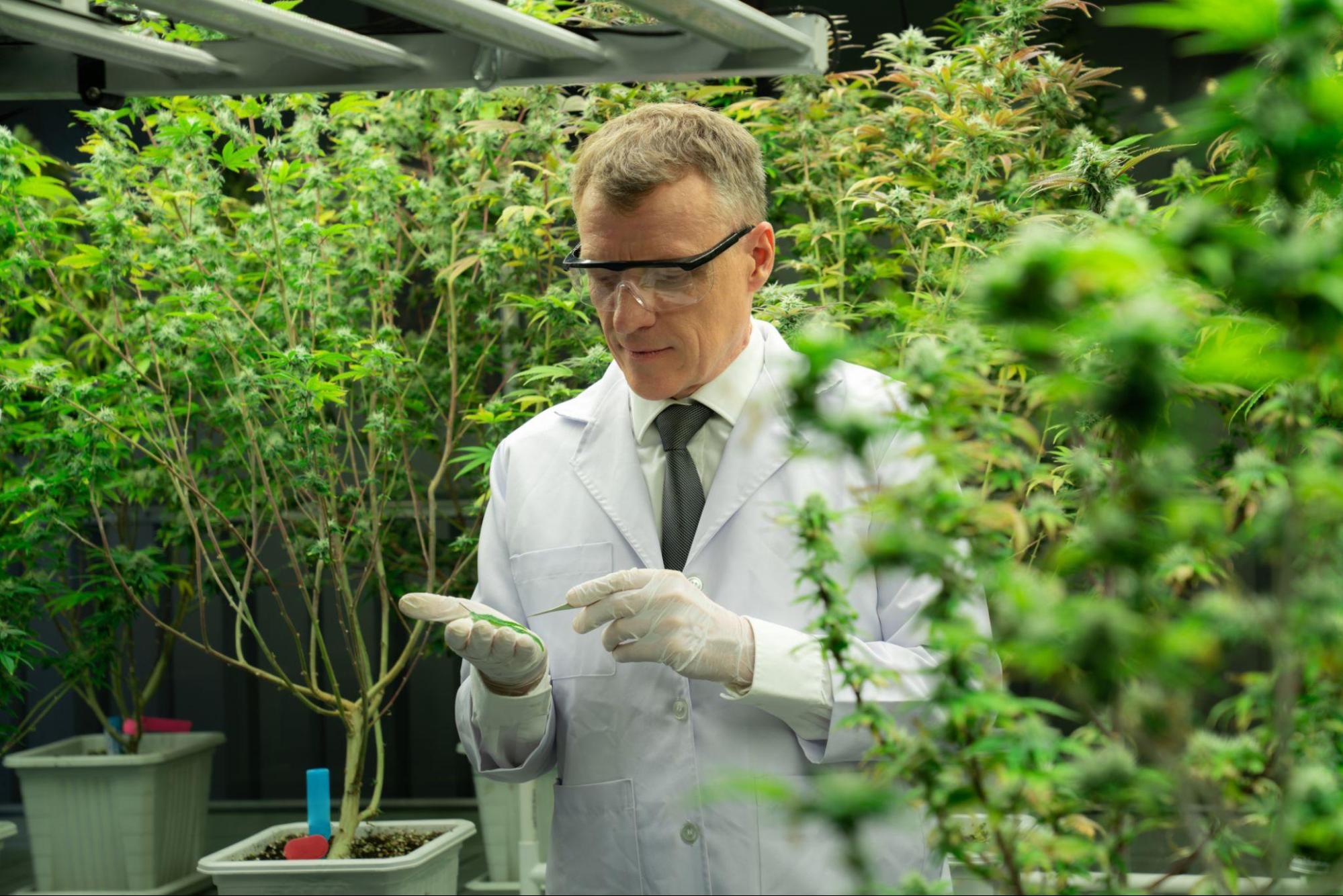
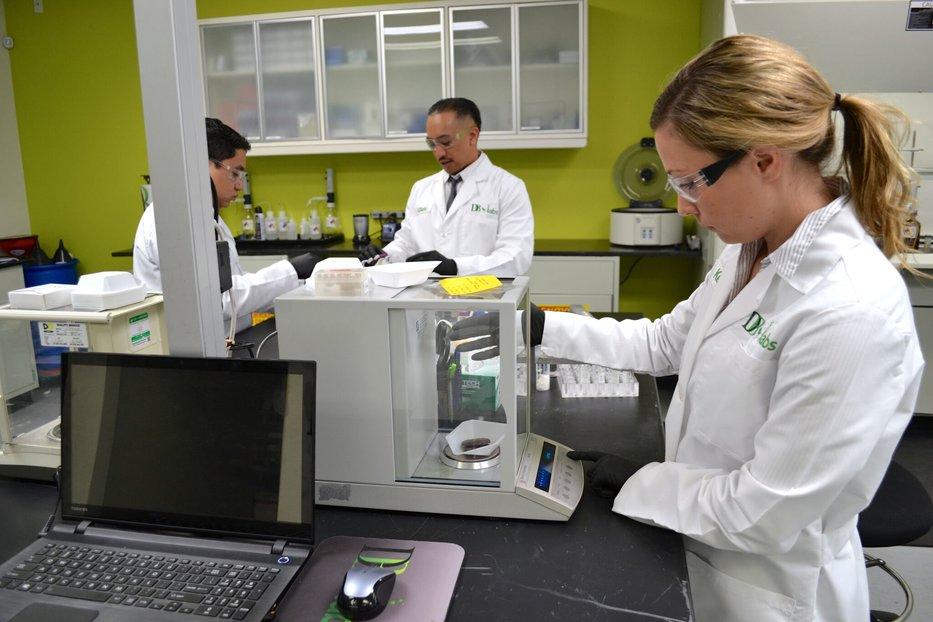
In 1964, Israeli chemist Raphael Mechoulam isolated THC for the first time and identified the compound responsible for cannabis’s psychoactive effects. Working out of the Hebrew University of Jerusalem, Mechoulam and his colleagues pursued the science of cannabis. Throughout the 1970s and 1980s, their research, as well as parallel work in labs across the U.S. and Europe, began to map how cannabinoids actually interact with the human body.
By the late 1980s and early 1990s, researchers had identified cannabinoid receptors in the brain and immune system, followed by the discovery of the body’s own cannabis-like compounds, or endocannabinoids. Together, these findings revealed what is now known as the endocannabinoid system—a regulatory network involved in mood, appetite, pain, memory, and immune response.
What had long been dismissed as anecdotal observations from patients, caregivers, and hospital wards now had a scientific explanation. Cannabis wasn’t acting randomly; it was interacting with a system already built into the body.
That realization opened the door to something bigger: the idea that cannabinoids could function not just as an alternative, but as a complement to traditional medicine across areas like pain management, neurology, and psychopharmacology — which helped shaped future policy.
1970s to 1990s: A Cultural Embrace
In the 1960s and ’70s, cannabis became shorthand for something bigger: questioning authority, expanding consciousness, and redefining personal freedom. Music helped carry that shift.
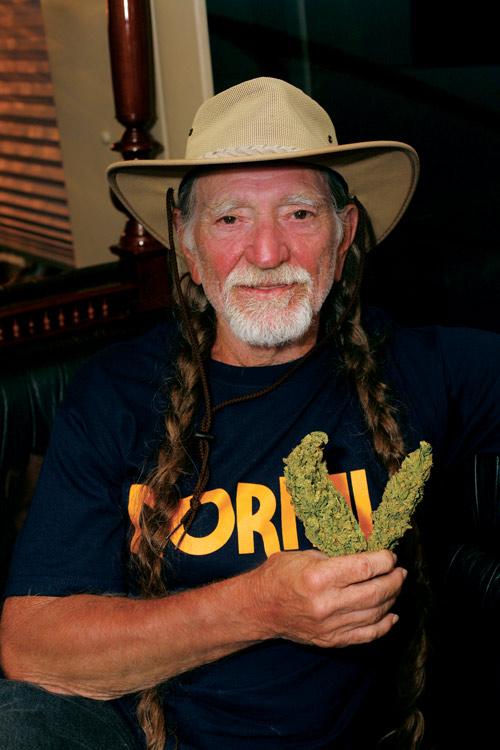
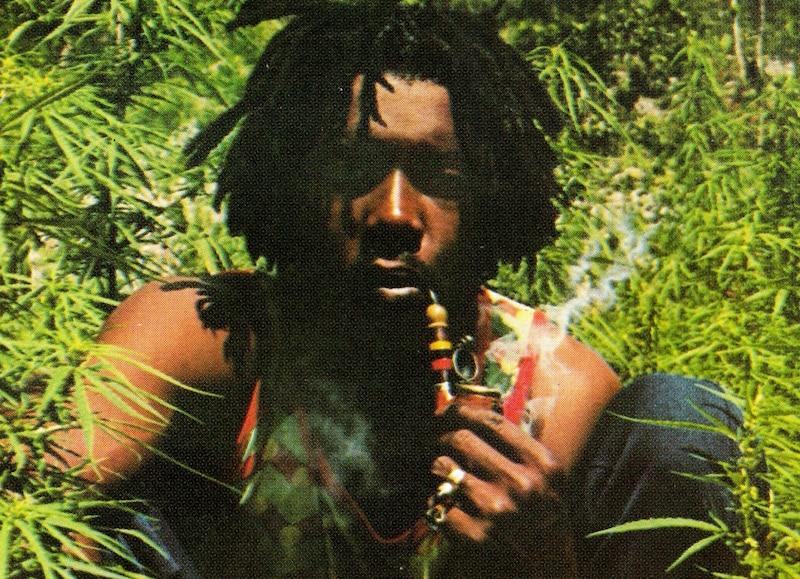
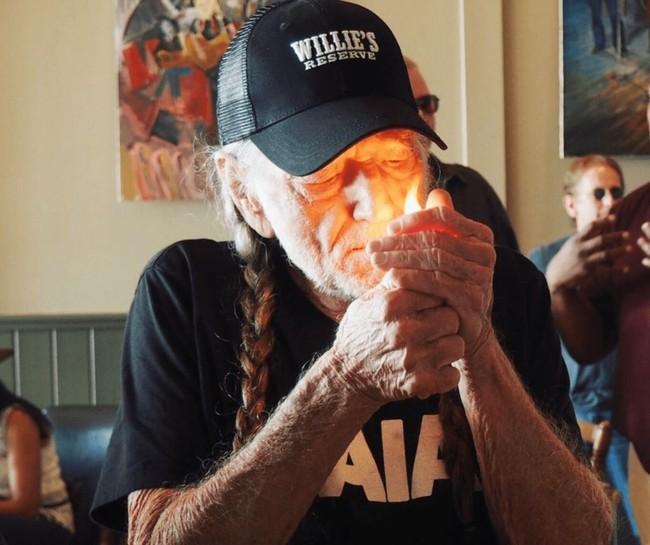
Artists like Bob Marley framed cannabis as spiritual and healing. Willie Nelson made it feel accessible, even neighborly. And bands like the Grateful Dead built entire communities around it, where cannabis was part of the experience, not the headline.
Generational moments like Woodstock normalized cannabis in public life. But that visibility came with contradictions.
The people using cannabis didn’t always fit the stereotypes that policy was built around. They were artists and musicians, but also professionals, caregivers, and communities forming their own norms around use. Plus, cannabis remained largely informal and unregulated, which created its own challenges. Potency varied. Strains weren’t standardized. Use was social and widespread, but difficult to study in a controlled way. For researchers, separating perception from measurable effect wasn’t straightforward.
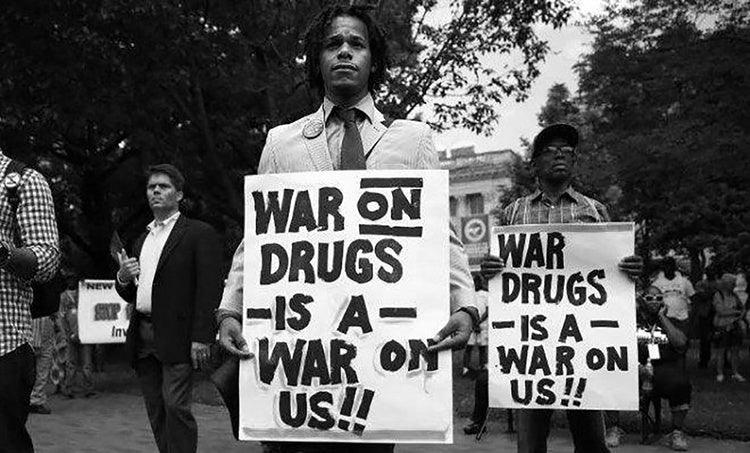
And all of it existed against the backdrop of increasingly strict drug laws. As enforcement intensified in the 1970s and ’80s, cannabis was pushed further into the shadows. Use didn’t disappear, but was often hidden to avoid legal and social consequences. The taboo deepened, even as participation broadened. It slowed research, reinforced stigma, and kept much of the conversation out of public view.

1980s to 1990s: Compassion Changes Minds
Then came the AIDS crisis. Patients were facing severe pain, appetite loss, and limited treatment options. Cannabis became, for many, a form of relief when few others existed.
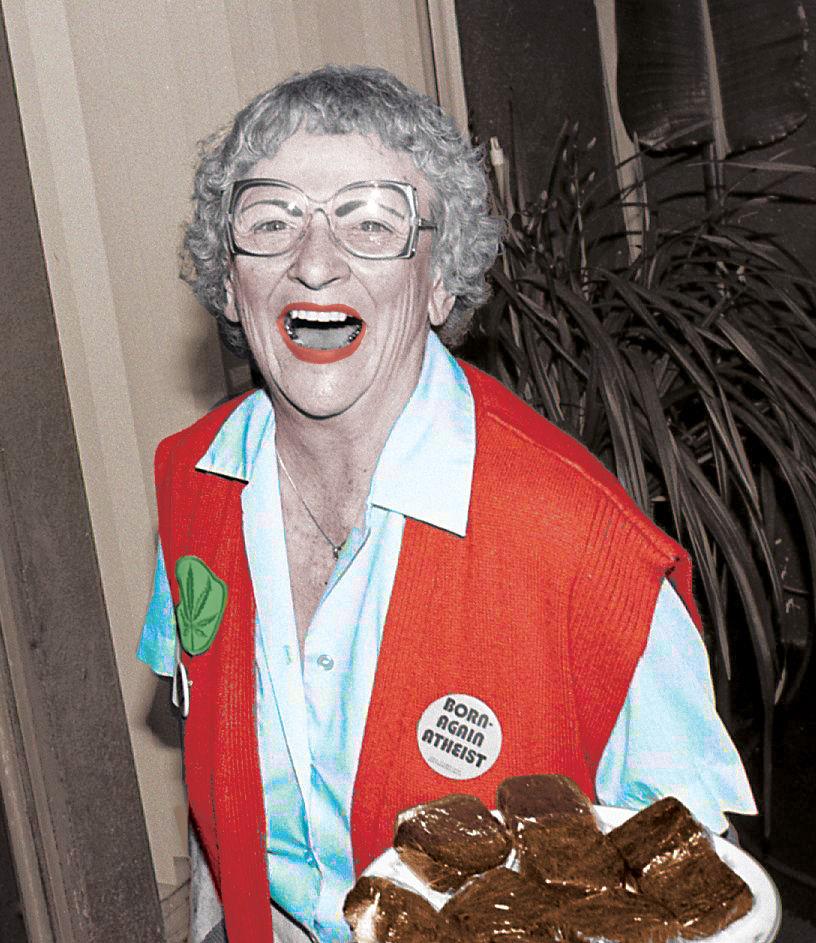
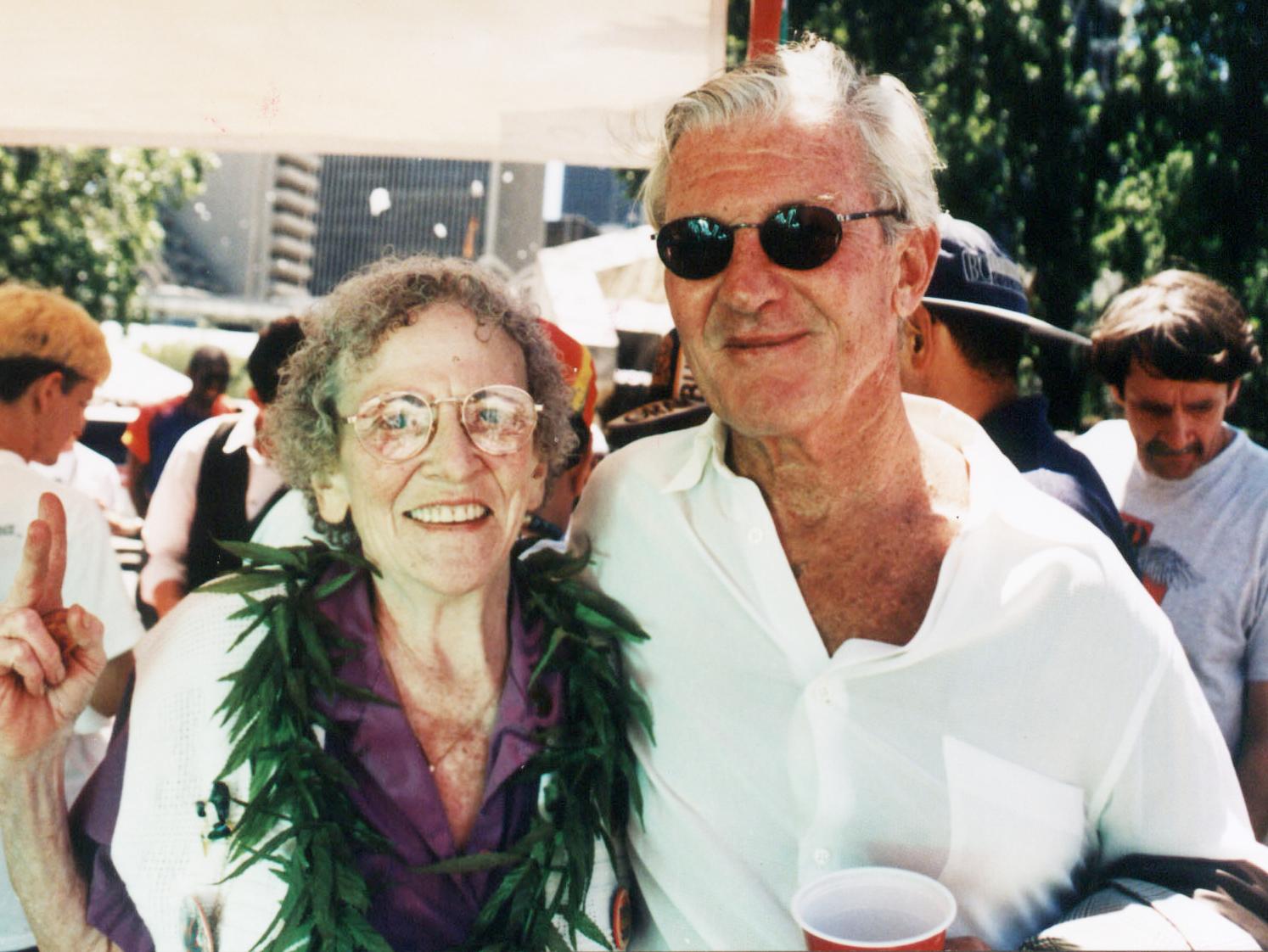
At the center of that movement was Mary Jane Rathbun, better known as Brownie Mary, a hospital volunteer in San Francisco. She started baking cannabis-infused brownies in her kitchen and distributing them to AIDS patients. AIDS patients were able to eat and find moments of relief. And even though she was arrested more than once, she kept going.
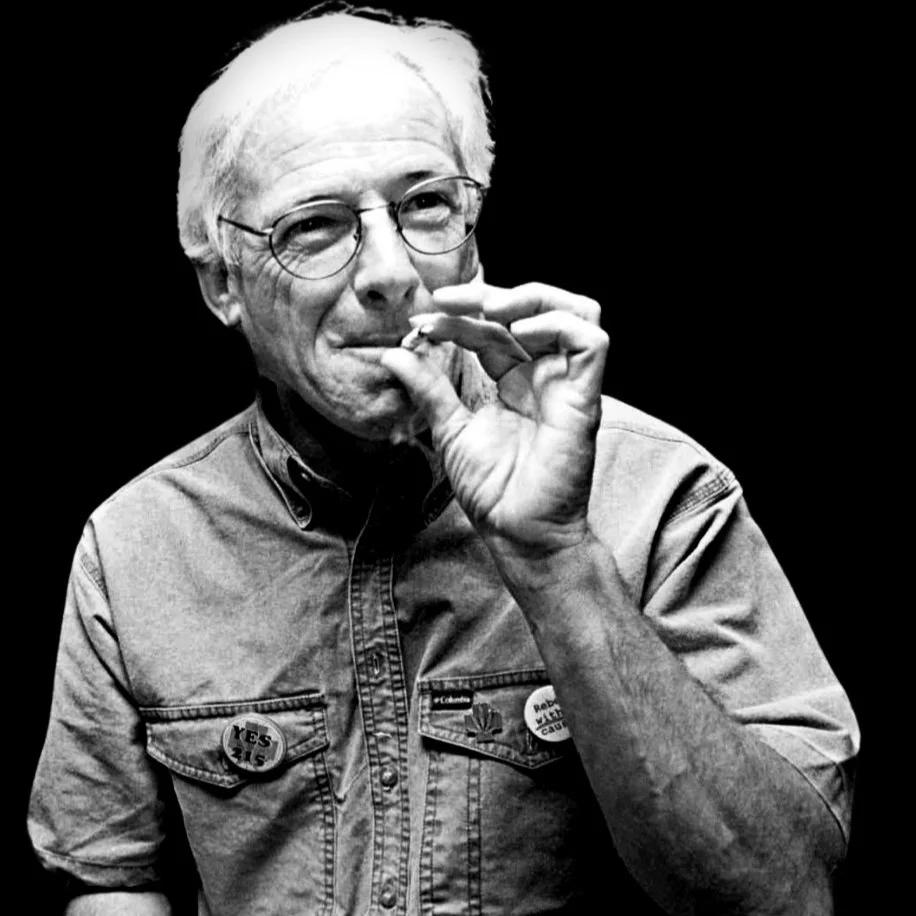
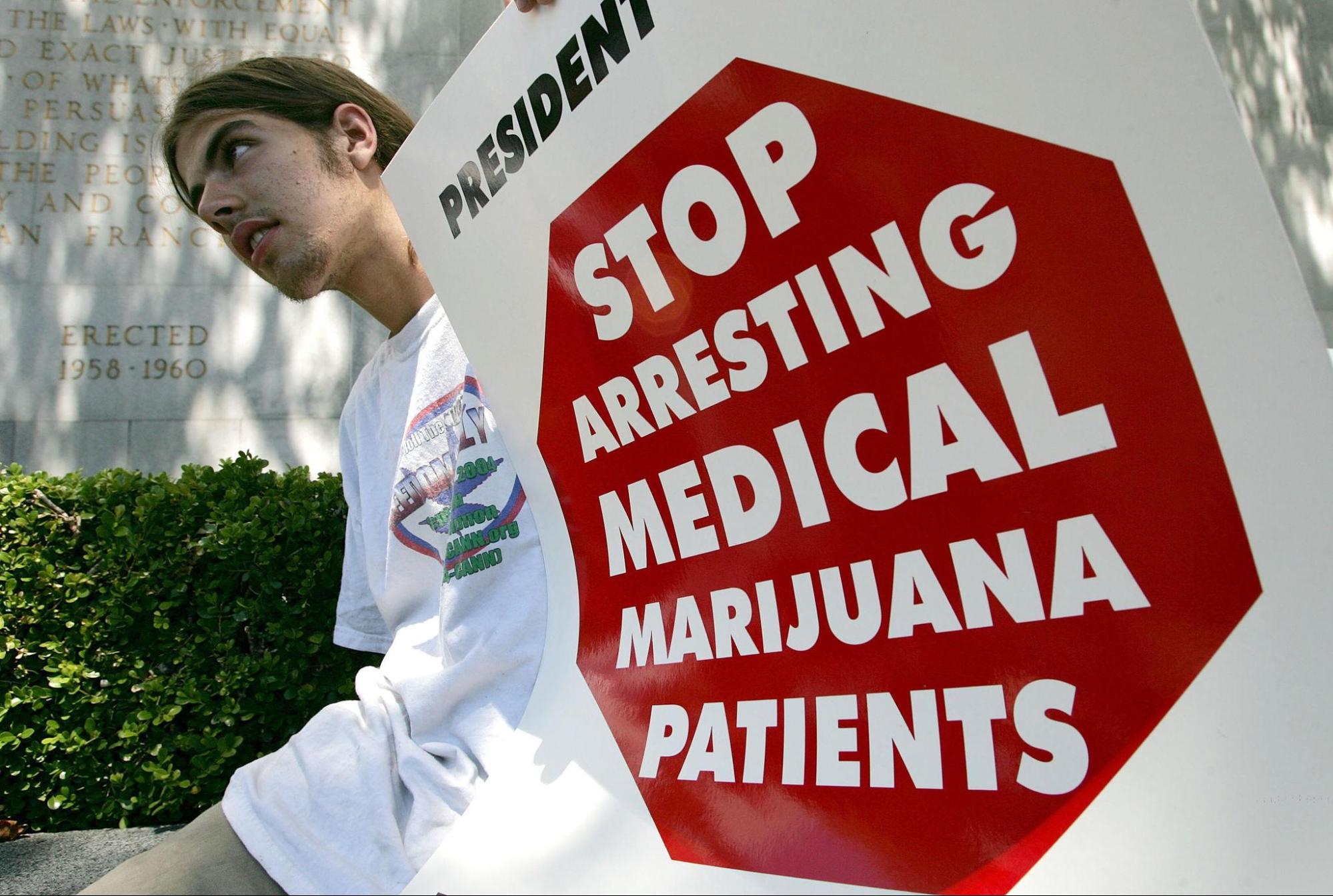
Advocates like Dennis Peron, a Vietnam veteran and longtime activist, were organizing on a different front, building networks of access and pushing for legal recognition. Peron helped found one of the first cannabis buyers’ clubs in San Francisco, creating a space where patients could safely obtain cannabis at a time when doing so carried real risk.
Around them was a broader, often informal coalition of caregivers, activists, and community members who stepped in where institutions hadn’t or couldn’t. Some provided cannabis directly. Others organized, fundraised, or advocated. Together, they created a system of care deeply felt by the people who relied on it.
That momentum led to a turning point: on November 5, 1996, California voters passed California Proposition 215, legalizing cannabis for medical use.
The Long Fight for Legalization
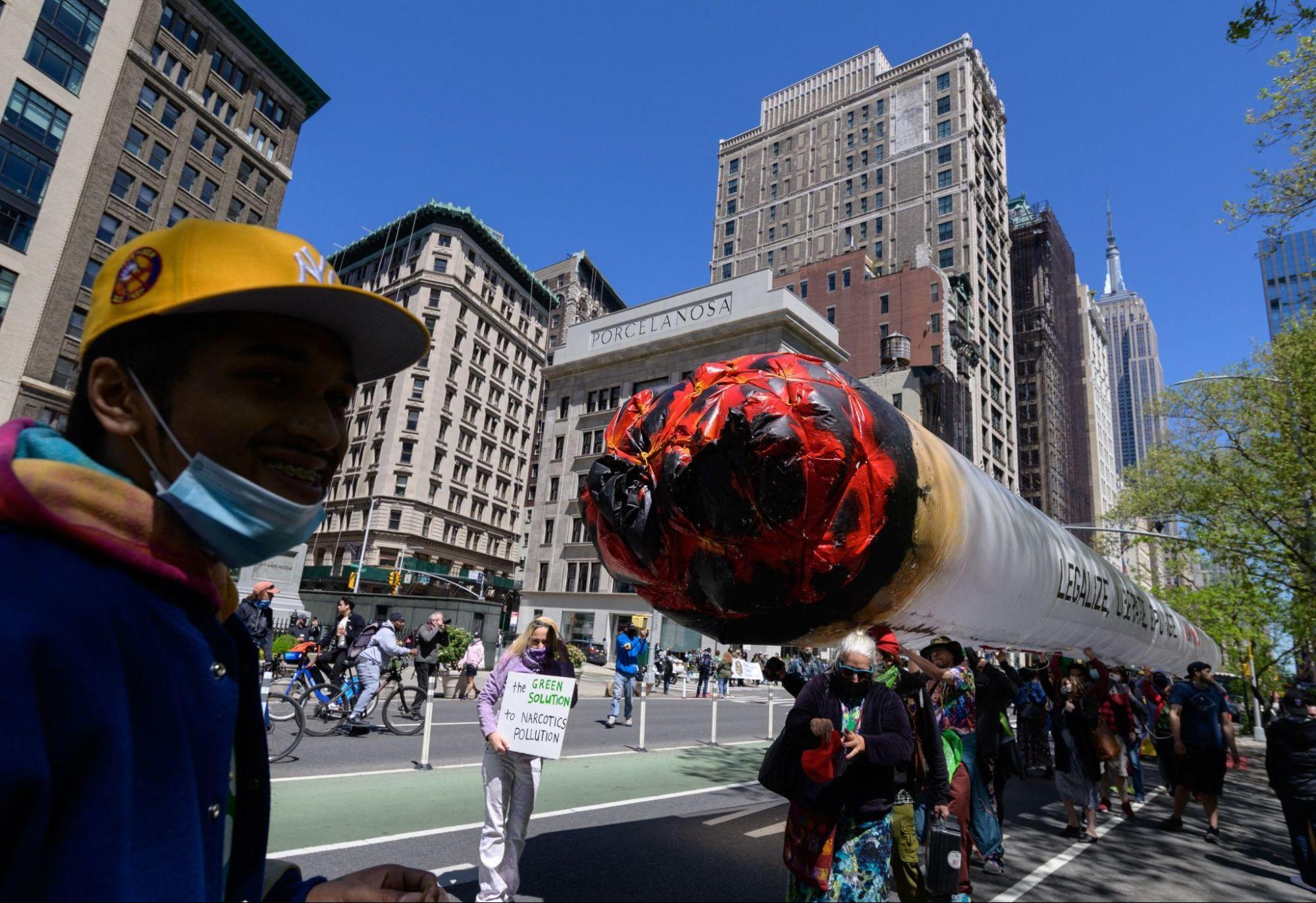
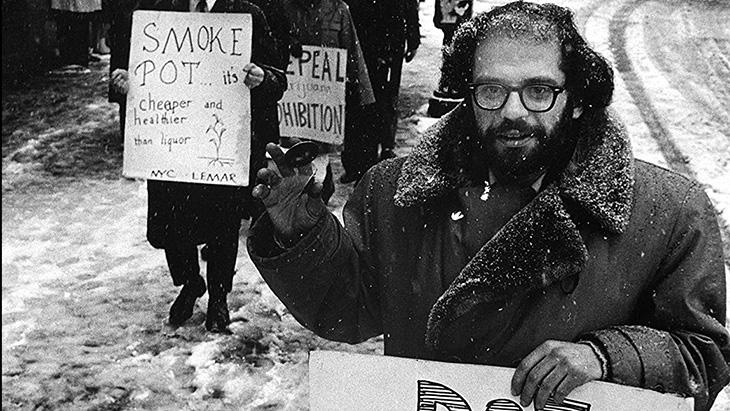
While patients and scientists were slowly changing how people thought about cannabis, a smaller group of advocates took on something even harder: changing the law itself.
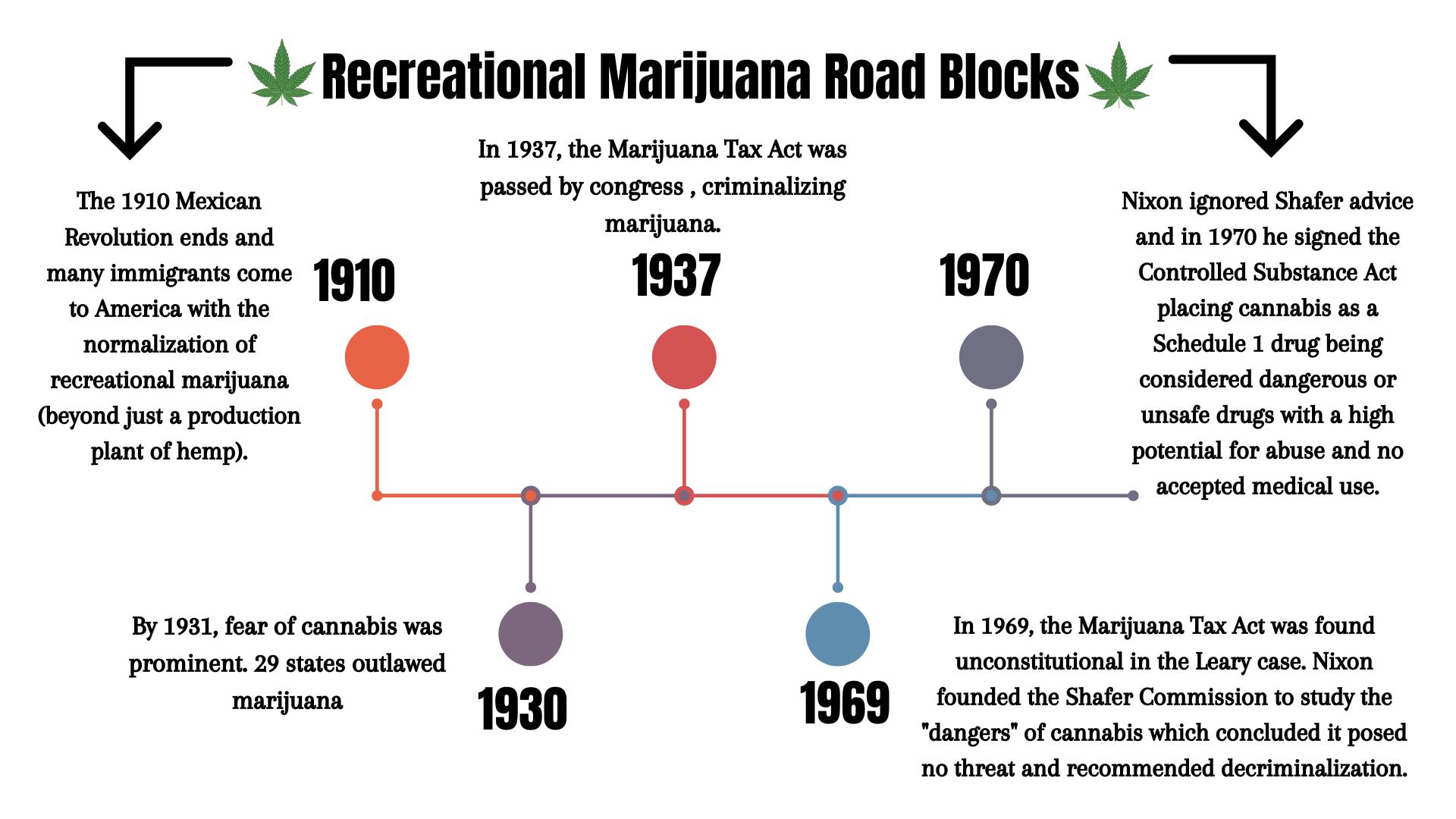
In 1970, the Controlled Substances Act officially classified cannabis as a Schedule I drug, cementing it in the public imagination as dangerous, illicit, and without medical value. That label shaped decades of stigma, research limitations, and enforcement.
For a long time, it felt immovable.
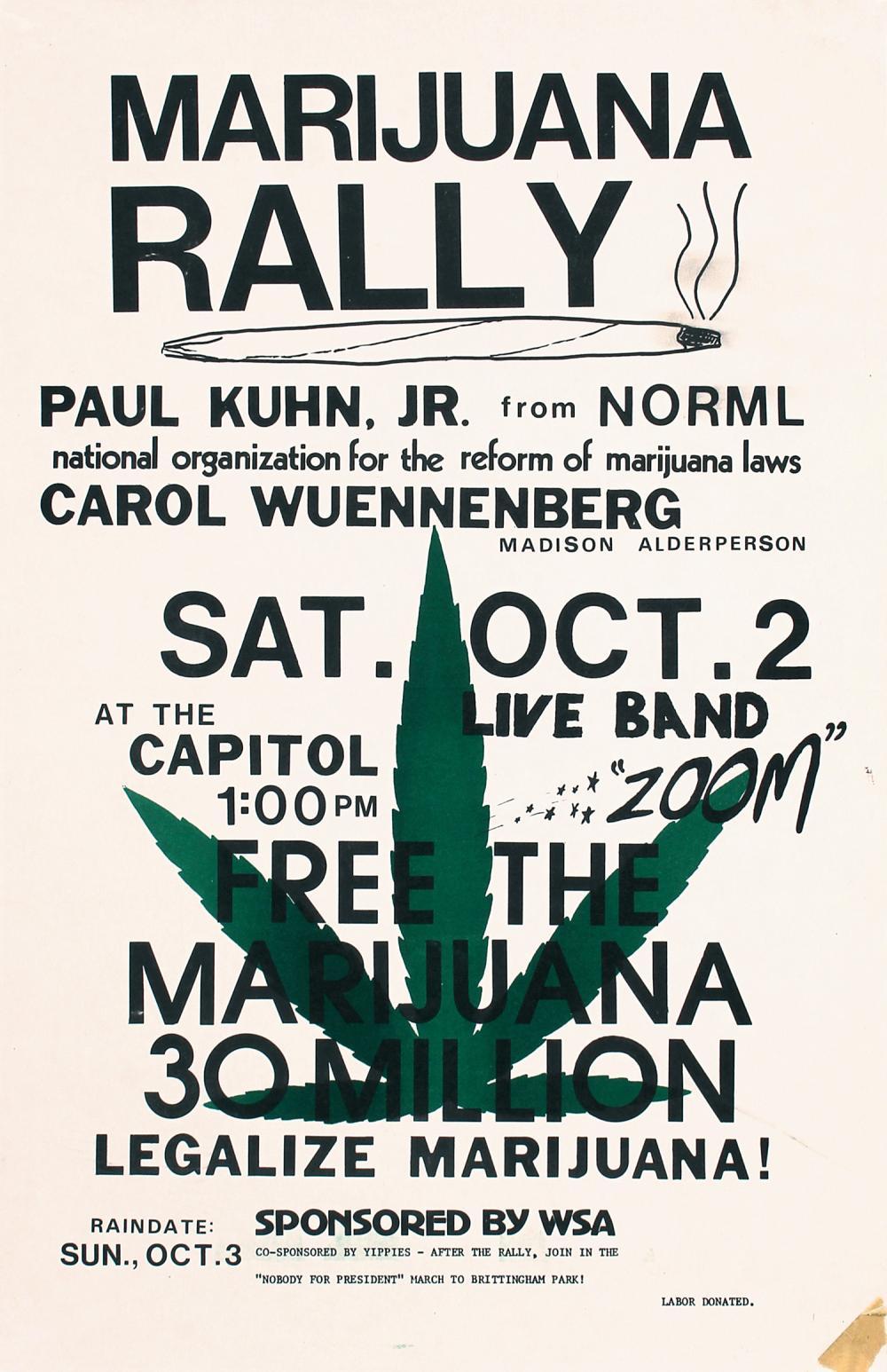
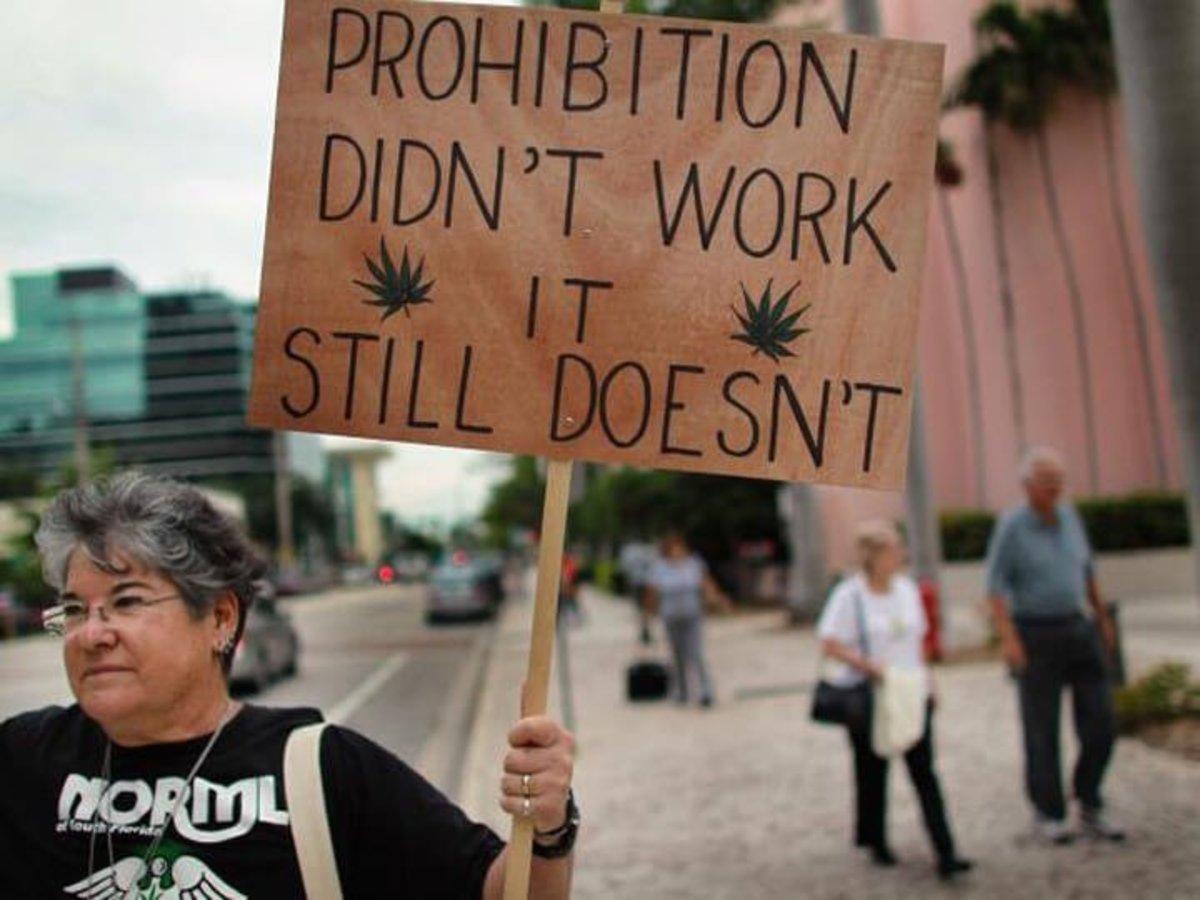
But beneath the surface, a different kind of work was happening. Advocates like Jack Herer and Keith Stroup, who founded the National Organization for the Reform of Marijuana Laws (aka NORML), were steadily building a counter-narrative.
They showed up in courtrooms and on college campuses, in policy discussions and public forums, making the case that the story the country had been told about cannabis was incomplete. They pushed for reform when it wasn’t politically convenient, and kept pushing long after early efforts stalled.
And they weren’t alone. Across the country, thousands of people were living out the consequences of prohibition in real time in the form of arrests, criminal records, and incarceration. The risks of engaging with cannabis weren’t abstract, and the burden wasn’t evenly shared.
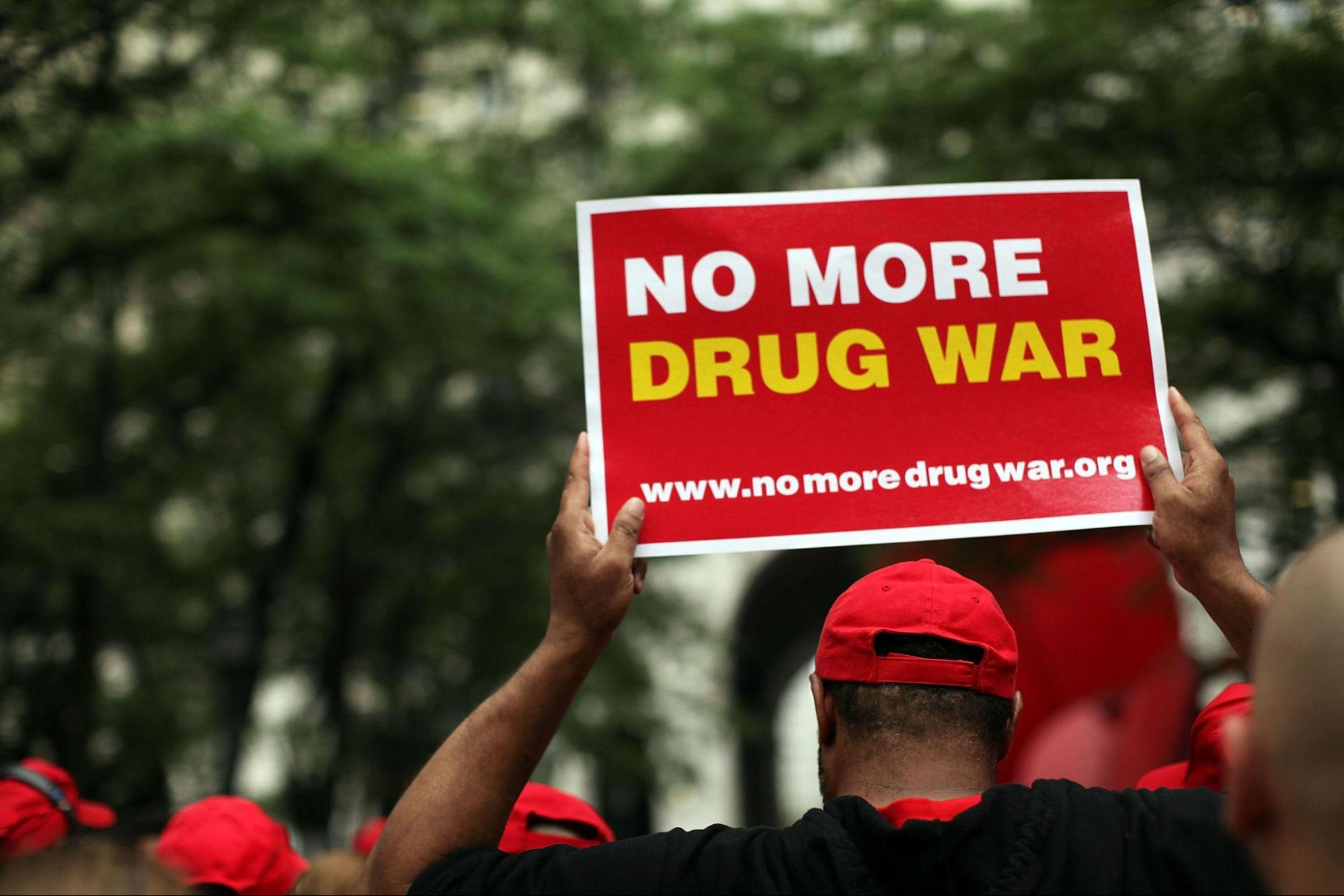
Today, that progress is visible, but incomplete. As of 2026, nearly half of U.S. states have legalized cannabis for adult recreational use, and 40 states have legalized it for medical use in some form. Public opinion has shifted alongside policy, with surveys consistently showing that a majority of Americans support legalization.
And yet, cannabis remains illegal at the federal level.
The tension between state-level normalization and federal prohibition continues to shape the industry today, influencing everything from banking access to research funding to criminal justice reform.
Where We Grow From Here
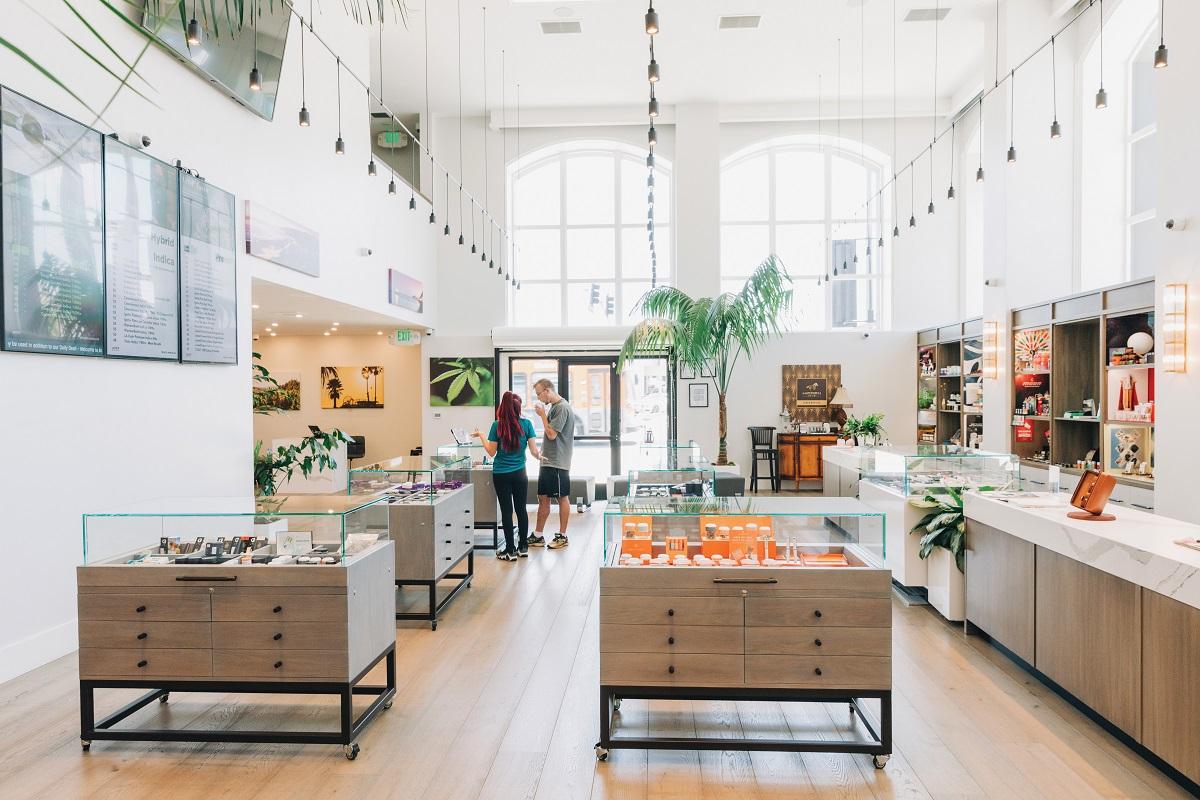
Today, cannabis is one of the fastest-growing industries in the country, expanding into everything from medicine to retail to business strategy. What once existed informally, now operates as a complex, evolving, ever-changing ecosystem.
At Cannavision Institute, that history informs our future. Training the next generation of cannabis professionals means more than teaching compliance or cultivation. It means understanding the forces that shaped the industry in the first place: the research that legitimized it, the culture that carried it forward, and the people who pushed it into the mainstream, often before it was safe to do so.
And for those stepping into it now, that context is part of the opportunity and responsibility to shape what comes next.



That’s How We Grow.
Not just as an industry, but as individuals building careers with purpose in a space that’s still being defined.
Ready To Be Part of What’s Next?
Explore our programs and take your first step into the cannabis industry today.