

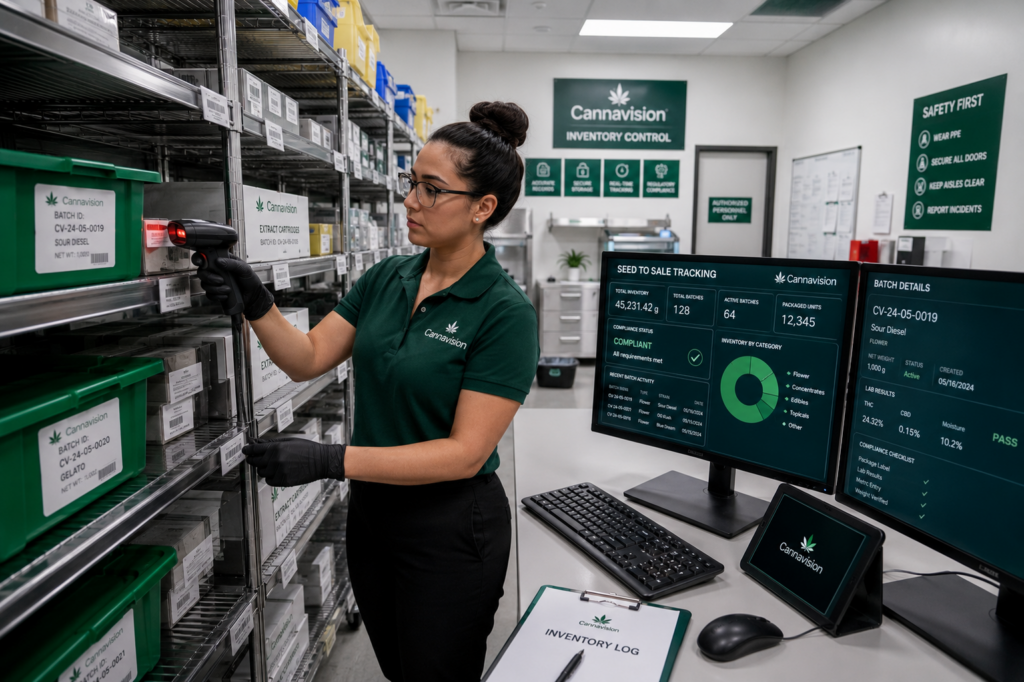
Seed-to-sale tracking systems are used in many regulated cannabis markets to record and report information about cannabis plants, products, inventory, transfers, and sales. Depending on the jurisdiction and system, tracking can extend across activities such as cultivation, manufacturing, testing, transportation, and retail sales.
Cannavision Institute’s Cannabis Compliance and Administration Diploma provides education related to cannabis regulations, compliance, administration, and industry operations. Studying these concepts can provide useful background for understanding how regulated cannabis businesses document and report operational information.
Understanding the purpose of seed-to-sale tracking can be useful when learning how compliance functions across regulated cannabis operations. Businesses must follow the tracking and reporting requirements that apply to their licenses and jurisdictions.
How Seed-to-Sale Tracking Systems Work
Seed-to-sale systems can record required information as cannabis moves through different stages of the regulated supply chain. Depending on regulatory requirements, records may follow products from cultivation through manufacturing, testing, transfers, and retail sales.
Tracking technologies vary by system and jurisdiction. Some platforms use identifiers or technologies such as tags, barcodes, or RFID to associate cannabis inventory with required records. Platforms used in regulated markets can include systems such as Metrc or BioTrack, depending on the jurisdiction. Businesses must follow the reporting requirements and systems applicable to their licenses and locations.
Depending on the system and regulatory requirements, tracked information may include:
- Plant or batch information
- Inventory quantities and movements
- Transfers between licensed businesses
- Testing or product information
- Retail sales data
Accurate tracking records can help businesses document required activities and provide information for regulatory reporting or review.
How Tracking Systems Support Regulatory Compliance
Cannabis businesses operate under regulatory requirements that can differ by jurisdiction, license type, and business activity. Where required, tracking systems provide a structured way to record cannabis inventory and movement for regulatory purposes.
Tracking records can provide regulators with information about product movement and chain of custody. Regulators may use this information for oversight, inspections, investigations, recalls, or other regulatory activities.
Depending on applicable requirements, tracking systems may help businesses:
- Support regulatory reporting
- Document inventory movements
- Maintain product traceability
- Provide records for inspections or audits
- Connect required information across stages of the supply chain
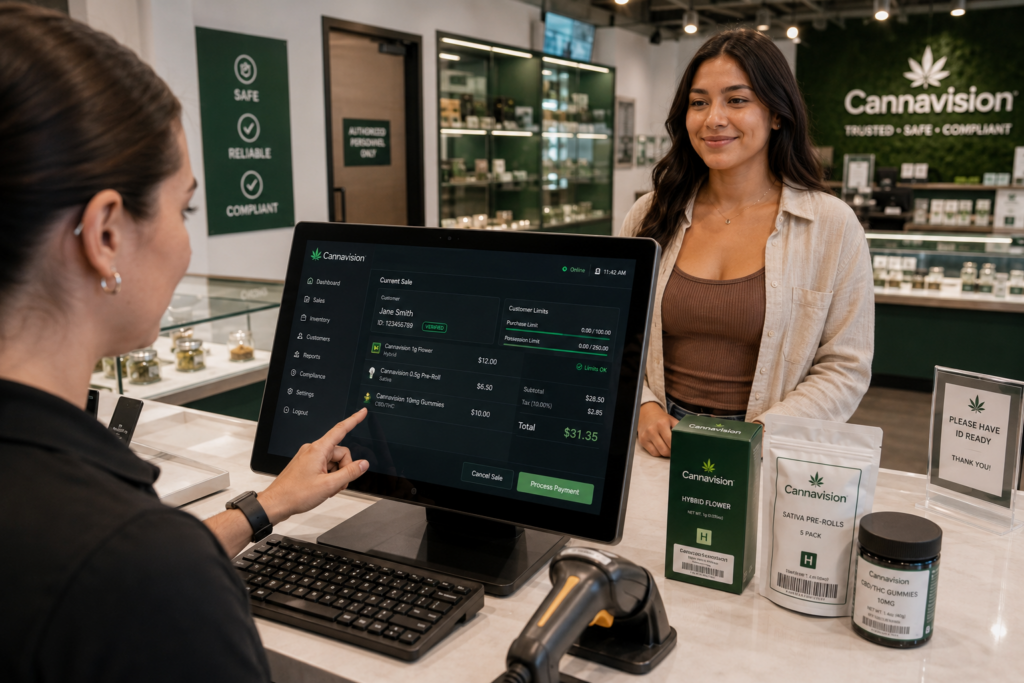
Understanding why these systems are used can provide useful context for compliance, inventory, administrative, and supply-chain responsibilities.
Building Knowledge of Tracking and Compliance
Cannavision’s Cannabis Compliance and Administration Diploma provides online education related to cannabis regulations, compliance, administration, transportation, and supply-chain concepts.
Education about cannabis compliance can help students understand why accurate records, inventory controls, reporting requirements, and product traceability matter within regulated operations. Related areas of study may include regulatory requirements, administrative procedures, transportation and supply-chain concepts, compliance documentation, and regulated business operations.
Coursework can provide cannabis-specific knowledge that may be relevant when exploring compliance or administrative responsibilities. Because cannabis requirements vary by jurisdiction, professionals working in the industry must also understand and follow the laws, regulations, and procedures applicable to their specific location and role.
Explore Cannabis Compliance Education
Seed-to-sale tracking systems can support regulatory oversight by documenting required information about cannabis inventory and product movement. Learning about seed-to-sale tracking can provide useful context for understanding inventory, reporting, supply-chain, and compliance processes.
Students interested in the regulatory side of the cannabis industry may benefit from learning how tracking and reporting requirements fit within broader compliance practices.
Explore Cannavision Institute’s Cannabis Compliance and Administration Diploma to learn more about its curriculum, online format, and cannabis-focused coursework.